1/4
St Denis School
Liluah, Howrah
St. Denis School offers gymnastics and various activities
Flexible timingsEstablished businessMid-range fee band
0 reviewsMid-range
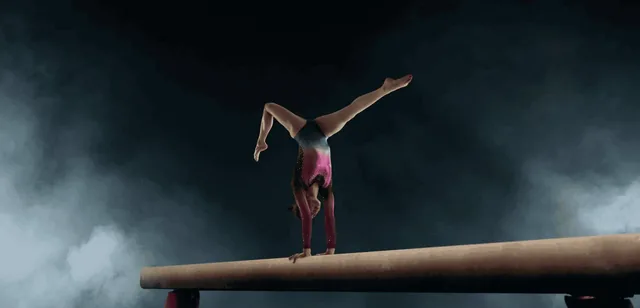
Compare 8 gymnastics classes & centres across 7 Howrah localities.
8 gymnastics classes in Howrah offer indoor group batches.
Liluah, Howrah
St. Denis School offers gymnastics and various activities
Ichapur, Howrah
Your Community Hub for Gymnastics and Cultural Events
Baksara, Howrah
A Family-Friendly Hub for Gymnastics and Recreation
Shibpur, Howrah
Join a Family-Friendly Gymnastics Community in Howrah
Ramrajatala, Howrah
Elevate Your Gymnastics Skills with Expert Coaching
Shalimar, Howrah
A Community Hub for Gymnastics Enthusiasts in Howrah
Liluah, Howrah
Join a Community of Gymnastics Enthusiasts in Howrah
Salkia, Howrah
Join a Family-Friendly Community for Gymnastics Fun!
Gymnastics training in India covers three main disciplines. Artistic gymnastics is the Olympic discipline featuring events like floor, vault, bars, and beam for women, and floor, pommel horse, rings, vault, parallel bars, and high bar for men — it demands strength, flexibility, and precise technique developed over years of progressive training.
Rhythmic gymnastics combines dance and apparatus work (rope, hoop, ball, clubs, ribbon) and is primarily practised by girls, emphasising grace, coordination, and musicality. Recreational gymnastics and tumbling cover floor-based skills (rolls, cartwheels, handstands, basic flips) without specialising in a competitive discipline — suitable for general athletic development and as a foundation for sports that benefit from body control (dance, martial arts, parkour, cheerleading).
Most academies group students by age and skill level: toddler programs (age 2-4, gross motor development), preschool gymnastics (4-6, basic shapes and balance), recreational classes (6+, by skill level), pre-competitive squads (selected students moving toward competition), and competitive teams (training intensively, typically 4-6 sessions weekly). Adult gymnastics, while rarer, is increasingly available — recreational sessions focusing on adult-appropriate skills, mobility, and strength.
Safety standards are the most important factor in this discipline. Look for spring floors (energy-returning floors that reduce landing impact), foam pits for safe practice of inverted and aerial skills, properly maintained mats covering all landing zones, and clear safety protocols. A centre that lets young children attempt skills above their level without spotters or progression should be ruled out.
Coach certification matters — look for coaches certified by the Gymnastics Federation of India (GFI), USA Gymnastics, British Gymnastics, or similar international bodies. Beginner classes can run reasonably with a 1:8 student-to-coach ratio; pre-competitive and competitive squads need 1:4 or smaller for proper spotting and feedback. Class structure should follow a clear progression — warm-up, conditioning, skill work in stations or rotations, and cool-down — and should be visibly age-appropriate.
Ask about competition participation if your child shows interest — GFI-affiliated meets, state championships, and national qualifiers. Trial classes are widely available. Confirm fees (including leotards, competition entry, and travel for competitive students), term schedule, and whether the centre offers holiday camps or open-gym sessions for practice outside structured classes.
In the first three months a child develops basic body shapes (tuck, pike, straddle), forward and backward rolls, and beginner balance work. By six months a recreational student typically holds handstand against a wall, performs cartwheels, and shows improved flexibility. Pre-competitive readiness — clean technique on cartwheels, comfortable handstands, basic vault and bar work — usually takes 18 months to two years of consistent twice-weekly training.
The most common pitfall is rushing into aerial skills (back tucks, layouts) before achieving the necessary strength, flexibility, and spatial awareness — this is how serious injuries happen. Reputable centres enforce strict skill-progression checklists for this reason. Another frequent mistake is starting kids competitively too young — pre-competitive squads at age four or five often produce burn-out and overuse injuries by age ten or twelve. The body needs time. For adult learners, the common error is comparing personal progress to social-media gymnasts who started young; adult gymnastics is rewarding but requires modified goals and a coach willing to work backward from current mobility and strength.
Typical fees in Indian cities: recreational classes Rs 2,500-5,000 monthly (one or two sessions weekly), pre-competitive squads Rs 5,000-10,000 monthly (three to four sessions weekly), competitive squads Rs 8,000-18,000 monthly (four to six sessions weekly plus camps). Leotards run Rs 800-3,500 (competition leotards higher), and competition entry plus travel adds Rs 5,000-30,000 annually for competitive students depending on level and event count.
| Academy | Rating | Reviews | Age Groups | Highlights |
|---|---|---|---|---|
| 1. St Denis School | — | 0 | — | — |
| 2. Ichapur Sanghamitra | 4.3 | 118 | — | — |
| 3. Chottodal Club | 3.9 | 287 | — | — |
| 4. KHURUT SASTITALA BAROYARI | 4.3 | 77 | — | — |
| 5. The IQ Classes" | 4.8 | 22 | — | — |
| 6. Sanapara Ujjwal Sangha | 3.9 | 86 | — | — |
| 7. Howrah Belgachia Pradip Sangha | 4.0 | 71 | — | — |
| 8. Bamangachi Recreation Club | 4.0 | 38 | — | — |
Switch to a different way of finding what you need