
4.7
Net Crusher Badminton Academy
Armapur, Kanpur
Net Crusher Badminton Academy: Elevate Your Game in Kanpur
Experienced instructorsSkill developmentMid-range fee band
46 reviewsMid-range
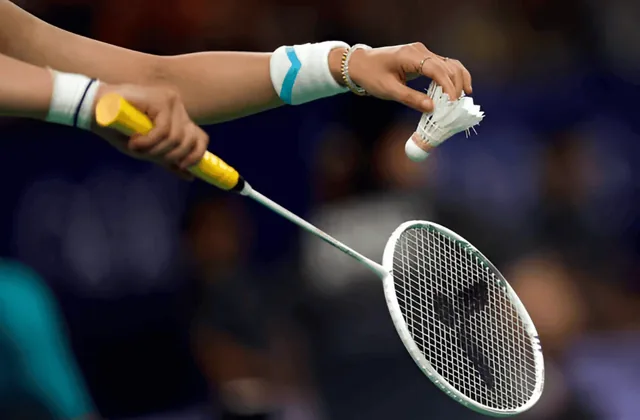
Compare 11 badminton academies, coaching & classes across 9 Kanpur localities.
Armapur, Kanpur
Net Crusher Badminton Academy: Elevate Your Game in Kanpur
Manhari, Kanpur
Q.B Badminton Club: Premier Badminton Facility in Kanpur for All Ages
Armapur, Kanpur
Top Volleyball Court in Kanpur for Enthusiasts and Learners
Kalyanpur, Kanpur
Navsheel Dham Badminton Court: Your Ultimate Badminton Destination in Kanpur
Panki, Kanpur
Heliger Borden Education Centre: Premier Learning Hub in Kanpur
Armapur Estate, Kanpur
Indoor Badminton Court - Your Go-To Sports Facility in Kanpur
Gandhigram, Kanpur
HAL Cricket Ground: A Great Venue for Cricket Enthusiasts in Kanpur
Ravidas Puram, Kanpur
Discover the Best Badminton Experience in Kanpur for All Ages
Kakadeo, Kanpur
New Discover Academy: Premier Coaching for Defence Aspirants in Kanpur
Naubasta, Kanpur
Rocket Rockers Badminton Club: A Hub for Badminton Enthusiasts in Kanpur
Kalyanpur, Kanpur
Badminton Court DPS Kalyanpur: Your Go-To Spot for Badminton in Kanpur
Badminton facilities in Indian cities fall into two broad categories. Dedicated badminton clubs feature professionally-laid wooden or synthetic courts purpose-built for the sport, with proper lighting (LED panel lights minimise shuttle drift) and ceiling height that allows full-flight shuttles. Multi-sport complexes typically have synthetic or mat courts shared with other rackets sports or open-play formats — more accessible and affordable, but court quality varies.
Coaching programs are usually offered in three tiers: beginner (foundational grip, footwork, basic strokes, tracking the shuttle), intermediate (shot variety, court positioning, doubles tactics), and tournament-level (drill-based fitness, match strategy, mental conditioning). Coaching ratio matters — 1:6 to 1:10 is ideal for technique work; larger batches dilute individual feedback.
Many clubs also offer pay-per-hour court bookings for casual play, with peak hours (6-10 AM and 6-10 PM) requiring advance booking. Some host intra-club tournaments, district fixtures, and national-ranking events, providing a competitive ladder for students who want to play seriously. Equipment policies vary — some clubs include racquets and shuttles in coaching fees, others expect students to bring their own.
Court surface quality is the single biggest differentiator. Wooden floors are BWF-standard for tournaments, offer the best grip and shock absorption, and are kindest on knees and ankles over long sessions. Synthetic mats laid over concrete are the next-best option — easier to maintain, slightly less forgiving. Avoid plain cement courts for regular play; they accelerate joint wear and aren't tournament-spec.
Check lighting carefully — uneven light makes shuttle tracking exhausting and increases mishit risk. Coaching credentials matter: look for coaches with BAI (Badminton Association of India) certifications or playing experience at state level or higher. Ask about the coach's tournament record — coaches who've actively competed bring tactical insights that purely-instructional coaches don't.
Trial sessions are widely available; use them to evaluate coach communication, batch dynamics, and court conditions. Tournament-prep students should confirm the club's competitive calendar — internal ladders, friendly fixtures against other clubs, and entry support for ranking events. For casual play, check booking availability at your preferred slots; peak hours can require 2-3 day advance bookings at popular clubs.
Typical progression: three months of beginner coaching builds basic grip, footwork patterns, and consistent forehand and backhand drives. Six months brings reliable serve and singles rallies. By one year, a coached player should be competitive in club-level intra-club tournaments. Tournament-level singles play typically takes two to three years of structured coaching plus regular match exposure.
The most common pitfall is treating badminton as casual exercise indefinitely — players who never train footwork specifically (lunges, lateral shuffles, split-step timing) plateau early and develop knee or ankle issues. Another frequent mistake is using cheap nylon shuttlecocks for serious practice; feather shuttles fly truer and accelerate skill development, though they cost five to ten times more. Doubles play has different demands than singles — singles emphasises endurance and court coverage, doubles emphasises shot placement and pair coordination — and many casual players never explicitly train one or the other.
Typical fees in Indian cities: pay-per-hour court bookings range Rs 200-500 per hour off-peak, Rs 400-900 peak (weekday evenings and weekends); group coaching Rs 2,500-6,000 monthly; private coaching Rs 600-2,500 per session. Annual memberships at established clubs run Rs 25,000-80,000. Tournament entries are Rs 500-2,500 per event for district and state ranking competitions, plus travel.
| Academy | Rating | Reviews | Age Groups | Highlights |
|---|---|---|---|---|
| 1. Net Crusher Badminton Academy | 4.7 | 46 | — | — |
| 2. Q.B badminton club | 5.0 | 20 | — | — |
| 3. Volleyball court | 4.8 | 13 | — | — |
| 4. Navsheel Dham Badminton Court | 4.9 | 21 | — | — |
| 5. Heliger Borden Education Centre to | 4.3 | 330 | — | — |
| 6. Indoor Badminton Court | 4.6 | 17 | — | — |
| 7. HAL Cricket Ground | 4.0 | 81 | — | — |
| 8. Mg badminton ground | 4.3 | 20 | — | — |
| 9. New Discover Acedemy | 4.4 | 306 | — | — |
| 10. Rocket rockers badminton club | 3.0 | 4 | — | — |
Badminton hub · India
Looking beyond Kanpur? Compare top badminton academies, facilities and coaching nationwide.
Switch to a different way of finding what you need