
4.8
1/4
Universal Power Martial Arts India Mohammed Wadi
Mohammed Wadi, Pune
Martial Arts Academy Offering Taekwondo Classes
Trial availableFlexible timingsEstablished business
152 reviewsMid-range
Compare 137 martial arts classes, training & academies across 49 Pune localities.
137 martial arts classes in Pune offer indoor group batches.
Mohammed Wadi, Pune
Martial Arts Academy Offering Taekwondo Classes
Shivajinagar, Pune
Training in Mardani Khel Martial Arts
Wanwadi, Pune
Self Defense Training at Ultimate Krav Maga Pune
Hadapsar, Pune
Karate Classes at Japan Karate-Do
Deccan Gymkhana, Pune
Martial Arts Training at Zendankai Academy
Mundhwa, Pune
Karate Classes in Pune
Lohegaon, Pune
Karate, Gymnastics, Yoga, Boxing, and Dance Coaching
Wanowrie, Pune
Martial Arts & Fitness Academy in Pune
Deccan Gymkhana, Pune
Wing Chun Kung Fu Training in Pune
Wadgaon Sheri, Pune
Boxing training for beginners in Pune
Kharadi, Pune
MMA and Martial Arts Academy in Pune
Dhankawadi, Pune
Ganimikawa - MMA & Fitness Training
Ghorpadi, Pune
Martial Arts Training and Self-Defense Classes
Manjari Budruk, Pune
Hobby and Activity Classes in Hadapsar, Pune
Wadgaon Sheri, Pune
Karate Classes - Japan Karate-Do
Undri, Pune
Mixed Martial Arts Training Academy in Pune
Kothrud, Pune
Boxing training and fitness sessions in Pune
Wadgaon Sheri, Pune
Taekwondo coaching for all ages in Pune
Shivajinagar, Pune
Empower Yourself with Practical Self-Defense Skills
Range Hill Corner, Pune
Empower Yourself with Expert Self-Defense Training
Wadgaon Sheri, Pune
MMA Training Academy in Pune
Hadapsar, Pune
MMA and Functional Training Fitness Center
Katraj, Pune
Traditional Shotokan Karate Training in Pune
Kharadi, Pune
Transform Your Skills with Personalized Martial Arts Training
Classes in Pune
Classes in Pune
Classes in Pune
Classes in Pune
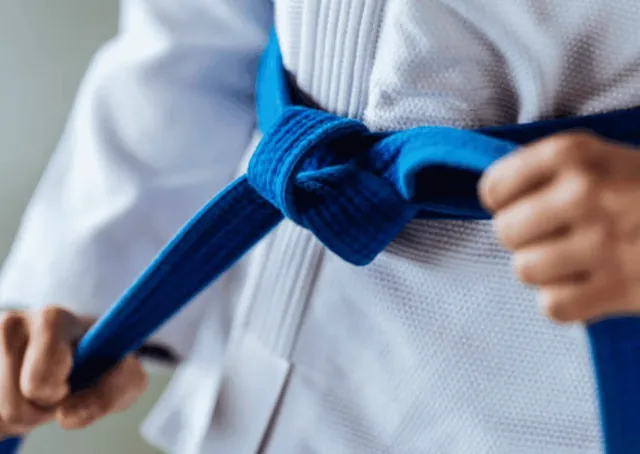
Indian martial arts studios broadly cover three families. Striking arts like karate, taekwondo, kickboxing, and boxing focus on punches, kicks, and stand-up combat — they teach speed, distance management, and structured belt or grading progression (white through black belt over years of training).
Grappling and mixed arts — Brazilian jiu-jitsu (BJJ), wrestling, judo, and mixed martial arts (MMA) — focus on takedowns, ground control, and submissions. These are physically intensive and well-suited to teens and adults.
Practical and self-defense systems such as Krav Maga, Hapkido, and women's self-defense programs prioritise real-world scenarios over sport competition, with shorter learning curves and a focus on situational awareness, escape, and de-escalation. Most karate, taekwondo, and BJJ schools follow formal grading systems — coloured belts that map progress over months and years. Indian dojos typically run age-grouped batches (kids 5-9, juniors 10-13, teens, adults) with separate batches by belt level. Many also offer sparring nights for advanced students and dedicated tournament-prep tracks.
Match the style to your goal. Striking arts build cardiovascular fitness, agility, and confidence; grappling builds strength and problem-solving under pressure; self-defense systems prioritise practical skills over sport.
Verify the instructor's credentials. A recognised black belt with an affiliated federation (WKF for karate, WTF/Kukkiwon for taekwondo, IBJJF for BJJ) and a competition record is the strongest signal of quality. Visit the dojo before committing — cleanliness of mats, safety protocols around sparring, presence of protective gear, and how the instructor manages a class with mixed ages all reveal the school's standards.
Ask about sparring policy and protective equipment. Light contact for kids, controlled sparring for teens with proper headgear and shin guards, full-contact only for experienced adults. Trial classes are widely offered and the best way to evaluate teaching style. Check whether the school participates in grading exams or tournaments — regular grading keeps progress measurable and motivating. Confirm fees, grading fees (which can be substantial), and tournament entry fees upfront.
Belt-based progression in karate or taekwondo typically advances students one or two belts a year — yellow and orange in year one, green and blue by year two, brown around years three to four, black belt by years four to six for disciplined students. BJJ progression is slower and reflects technical depth: blue belt usually takes one to two years, purple two to four more years, brown six to eight years, and black belt eight to twelve years for hobbyists.
The most common pitfall is treating a martial art as fitness only — students who skip grading and sparring eventually plateau and lose motivation. Another frequent mistake is paying for a belt-promotion mill that grades aggressively without matching technical standards; check whether the school's higher belts can actually demonstrate the techniques associated with their rank. Self-defense-only programs are often shorter (six to twelve weeks) but should still teach situational awareness and de-escalation alongside physical techniques.
Typical fees in Indian cities: kids' batches Rs 1,500-3,500 monthly, teen/adult striking arts Rs 2,500-5,000 monthly, BJJ and MMA Rs 3,500-8,000 monthly, premium dojos with experienced black-belt instructors Rs 6,000-15,000. Grading fees run Rs 1,000-3,000 per belt at most clubs and Rs 5,000-15,000 for senior dan grades. Tournament entry fees are Rs 500-3,000 per event plus travel.
| Academy | Rating | Reviews | Age Groups | Highlights |
|---|---|---|---|---|
| 1. Universal Power Martial Arts India Mohammed Wadi | 4.8 | 152 | — | — |
| 2. Shri Shivajiraje Mardani Akhada | 5.0 | 110 | — | — |
| 3. Ultimate Krav Maga Pune - Tactical Self Defence for You | 4.9 | 111 | — | — |
| 4. Karate Classes -Japan Karate-Do | 5.0 | 9 | — | — |
| 5. ZENDANKAI MARTIAL ART ACADEMY | 5.0 | 94 | — | — |
| 6. Karate Classes Manjari | 5.0 | 21 | — | — |
| 7. Sport Akademy | 4.9 | 120 | — | — |
| 8. MAFA | 4.9 | 142 | — | — |
| 9. India Wing Chun Academy | 4.9 | 16 | — | — |
| 10. Boxing By Bhavesh | 5.0 | 225 | — | — |
Switch to a different way of finding what you need